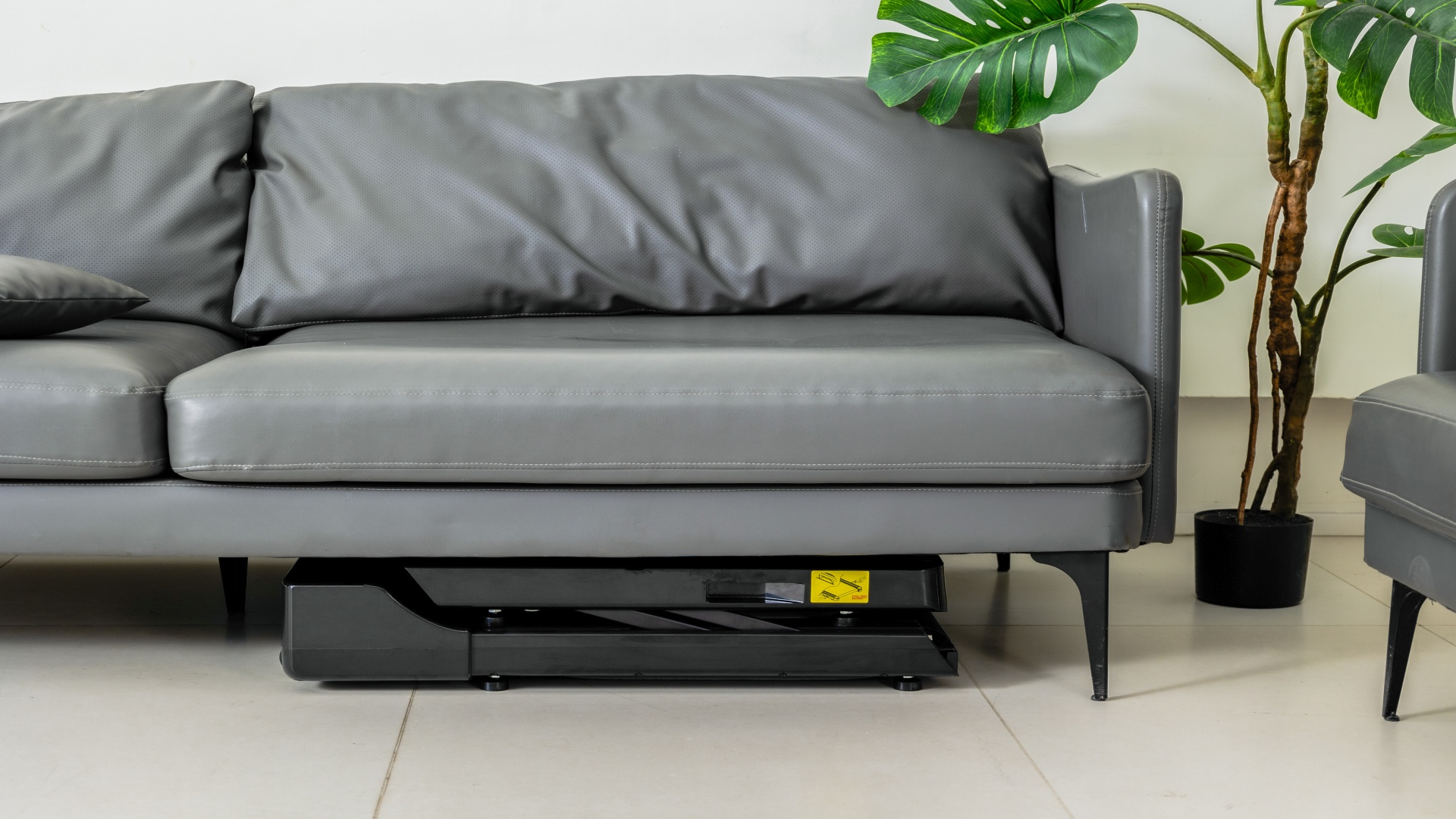
When spring comes, people quietly begin to change.
Aidopai Health April 10, 2026
This change is subtle. It doesn’t come with the obvious shock of temperature drops or rises, nor the clear rituals of holidays. It feels more like a gentle loosening that happens slowly.
The days grow brighter a little earlier, the wind softens, trees begin to show new colors, and people on the streets no longer walk with the same tightness as in winter. As you walk outside, you can faintly sense something inside slowly unfolding and stretching.
The body often knows spring has arrived before the mind does.
Many people experience an indescribable feeling at this time of year — not exactly sleepy, not exactly tired. It’s as if the heaviness accumulated during winter hasn’t fully dissipated, yet the outside world has already moved forward.
You feel stuck in the middle: wanting to move, but not fully able to; wanting to cheer up, but lacking the energy.
This state is actually very common.
In winter, people naturally shrink into themselves. The cold, short days, and smaller range of movement make us reluctant to get out of bed in the morning or go out at night. If we can sit, we won’t stand; if we can lie down, we won’t move.
Combined with work, study, and commuting that fragment our time, many people’s bodies have long been absent from their lives — only their brains continue to run at high speed.
During the day, we stare at screens, reply to messages, and handle tasks. It looks like we’re constantly busy, but in reality, only our fingers and emotions are moving. Our shoulders are tense, our backs are stiff, our legs feel heavy, and our breathing remains shallow.
Over time, a strange numbness sets in. You know you’re being drained, but the drain isn’t dramatic enough to make you stop immediately. It just presses down on you quietly, little by little, day after day.
The precious thing about spring is that it doesn’t force you to change. Instead, it gently offers you a chance to reconnect with yourself.
As the weather warms up, you begin to notice things you previously ignored: the warmth of sunlight on your skin, the slight heat in your body after a short walk, or how a breeze in the evening makes you relax a little.
At the end of the day, humans are not sustained by willpower alone. What truly keeps us moving forward is often the small, renewed sensations flowing through our bodies.
In recent years, more and more people have realized a key truth: we often think we’re exhausted because we have too many things to do. But in many cases, the growing fatigue comes not just from busyness, but from our bodies being “put on hold” for too long.

Emotions and the body are never separate.
When you’re irritable, your neck and shoulders are usually tight. When you’re anxious, your breathing is shallow. When you feel life is chaotic, your body is often in disarray too.
Many people try to fix their mood first before restoring order to their lives. But the real process is often the opposite: when you start moving a little, breathing more smoothly, and loosening your body, the noise in your mind gradually quiets down.
Spring is the perfect time for these small things
Spring isn’t about pushing yourself hard, starting an intense new routine, or forcing yourself to become highly disciplined overnight. It’s a gentle reminder that you can start lightly, slowly, and simply allow yourself to come back to life bit by bit.
Here are some low-cost, highly healing small activities perfect for spring. They can help you regain a sense of being truly alive:
- Buy a bunch of seasonal flowers — not fancy packaged roses from a florist, but simple daisies, chamomile, or peach blossoms wrapped in newspaper from the market. Put spring in a glass vase and watch them slowly bloom. It’s more healing than any diffuser.
- Walk barefoot on grass once — find a sunny afternoon, take off your shoes and socks, and let your feet touch the fresh grass. Feel the moisture of the soil and the resilience of the grass roots. This “grounding” sensation can instantly relieve the numbness from prolonged sitting.
- Bask your back in the sun — Traditional Chinese medicine says “the back is where yang energy gathers.” Spring sunlight is the best for nourishing yang. Stand with your back to a south-facing wall for 20 minutes until your back feels warm. You’ll feel as if your body has been recharged, and your mood will brighten too.
- Cook a pot of “spring-limited” soup — use fresh spring bamboo shoots, toon buds, or shepherd’s purse. No fancy cooking skills needed. Just the earthy, fresh aroma will make you feel the change of seasons.
- Clean out your wardrobe and donate unused clothes — pack away the heavy down jackets and bring out last year’s light jackets and knitwear. Donate what you no longer wear. You’re not just making space in your closet — you’re making space in your life.
- Set up a bird feeder by the window — scatter some millet or breadcrumbs and watch sparrows and bulbuls come visit. Their chirping is far more relaxing than scrolling short videos.
- Read a poem about spring — just one. Try Gu Cheng’s “The grass is seeding, the wind is shaking its leaves,” or Haizi’s “From tomorrow on, I will care about food and vegetables.” Feeling spring through words is far more nourishing than reading 100 social media posts.
- Take a purposeless walk with a friend — no checking in at trendy spots, no taking photos for social media. Just walk slowly along a river or park path and talk about meaningless things. This kind of “wasted” time together is perhaps the most luxurious romance of spring.
Once the body begins to loosen, the person inside returns. This may be the gentlest gift of spring.
These small actions have one thing in common: they don’t require much time, money, or energy, yet they help you rediscover the presence of your body and the rhythm of the season.
Spring is not for forcing effort — it is for feeling and reconnecting.
Start with one small thing, and slowly bring yourself back to life.
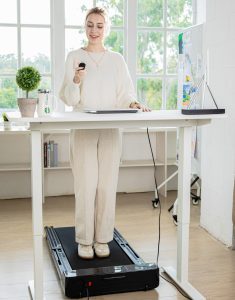
P.S. If you really don’t feel like going out, try our Aidopai Walking Pad — the perfect companion for gentle movement at home.